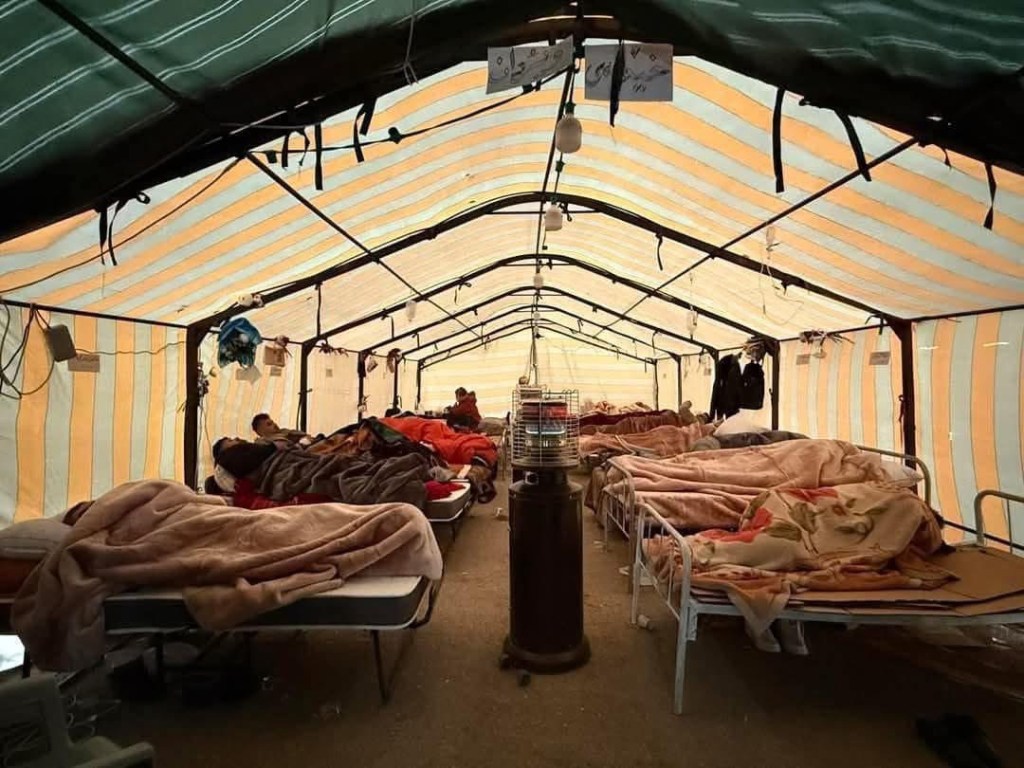
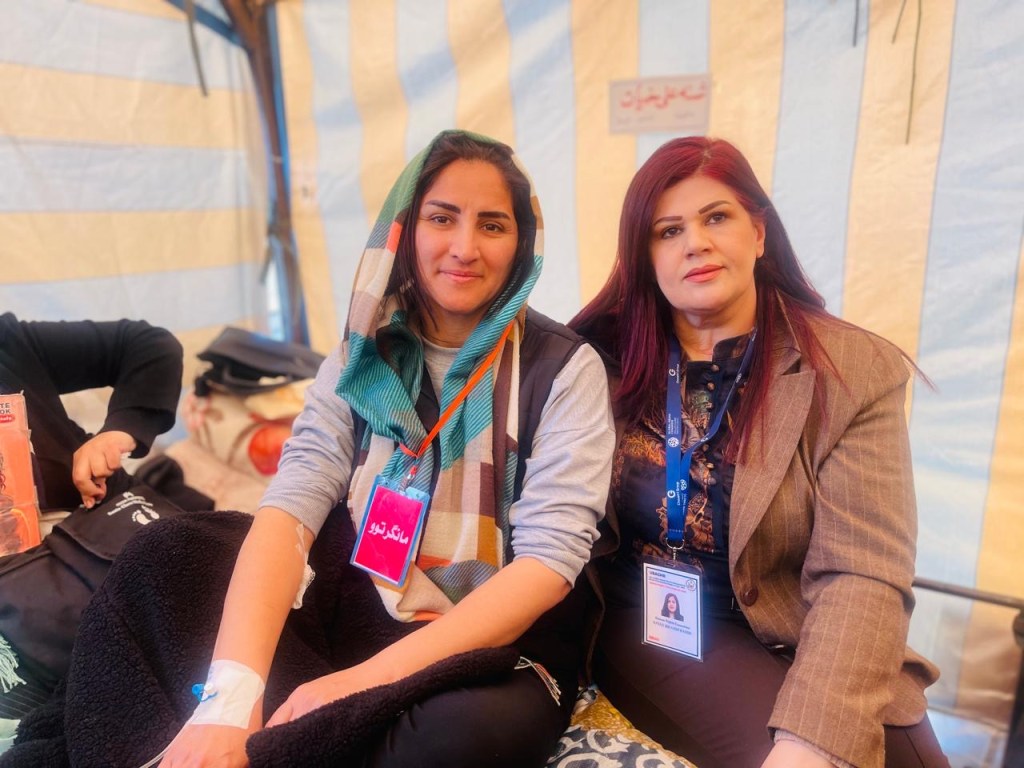
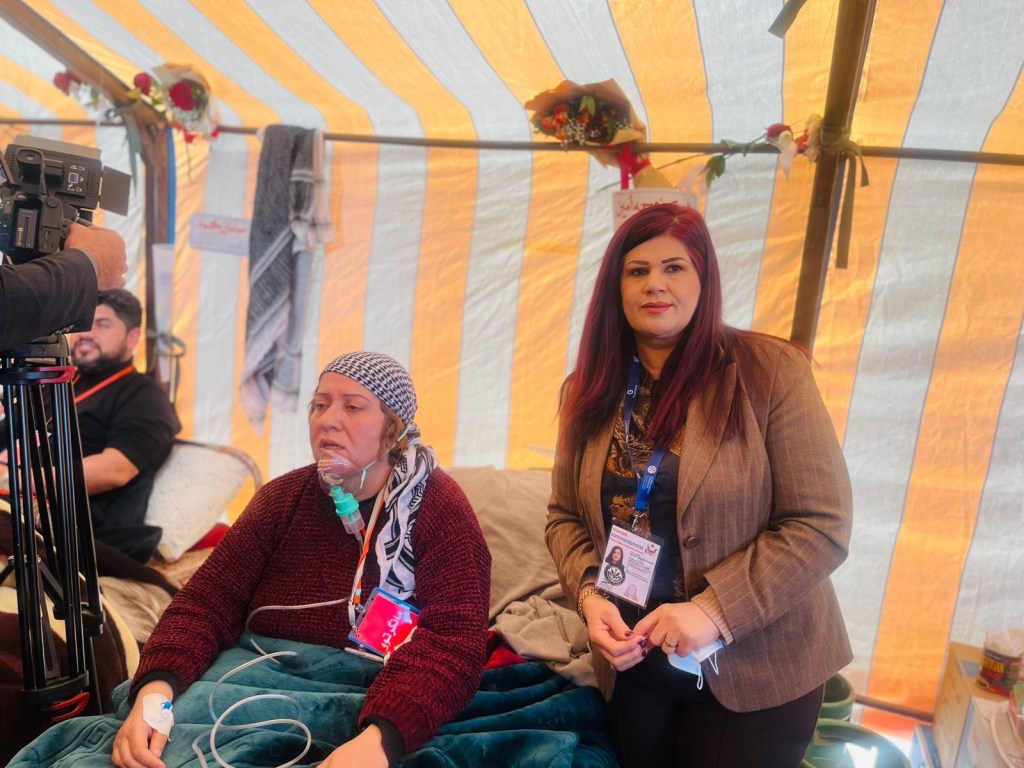
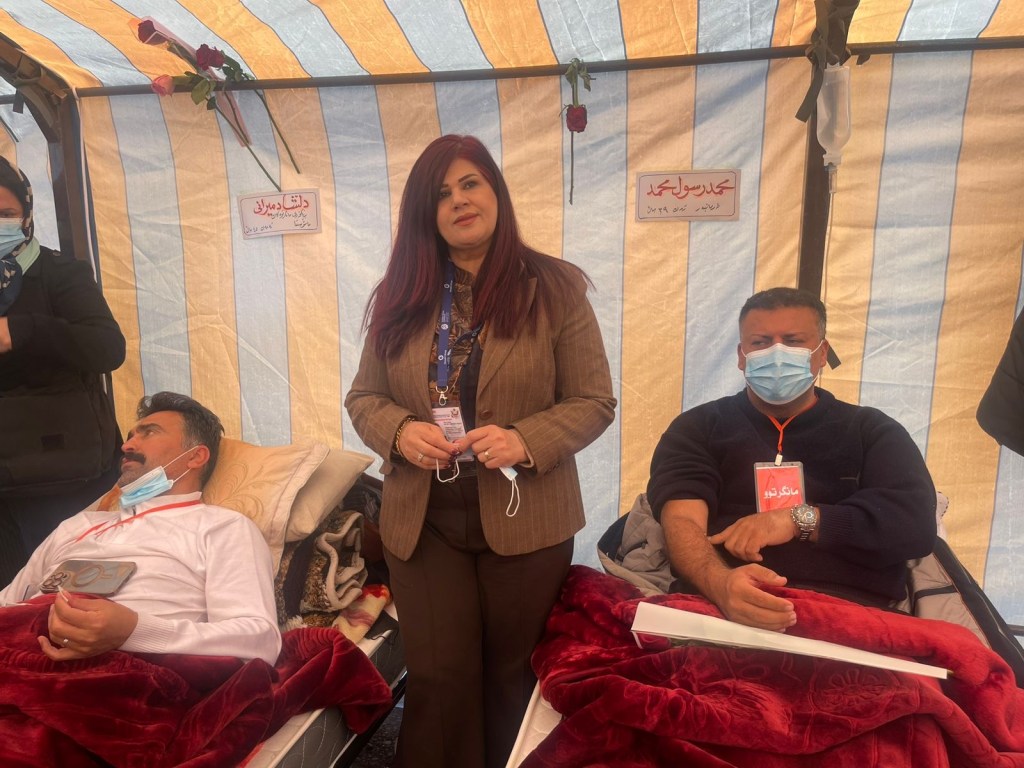
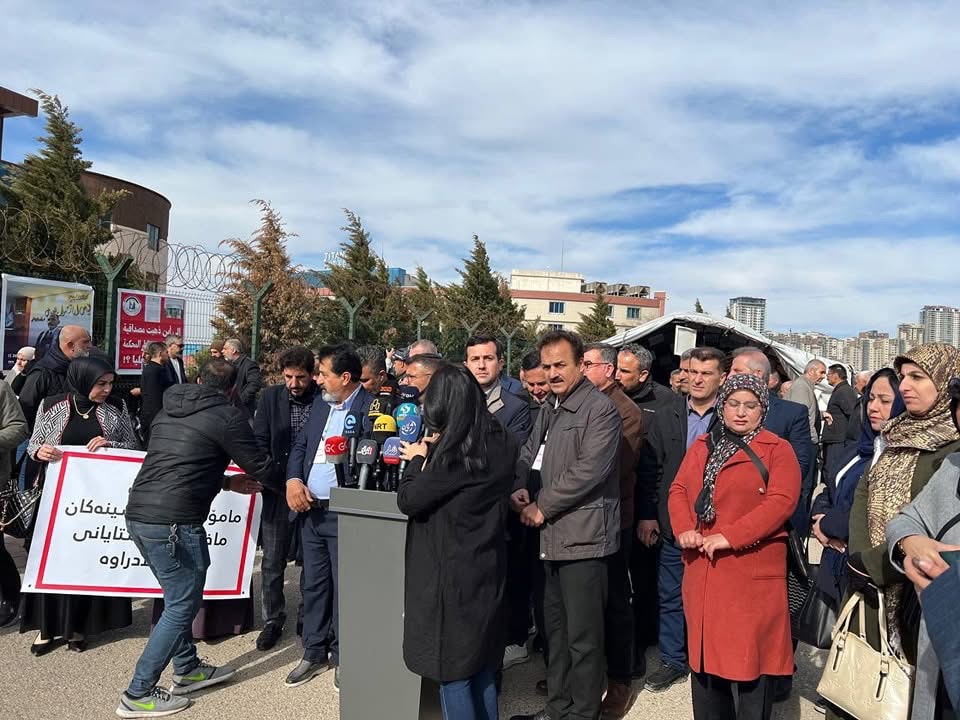
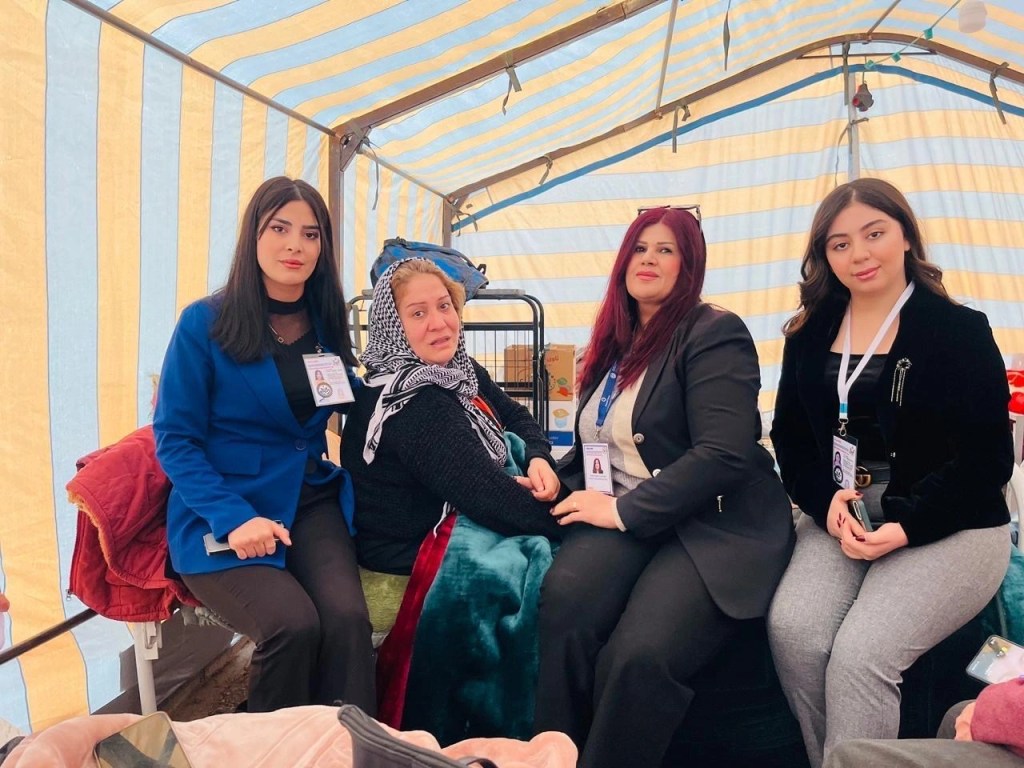
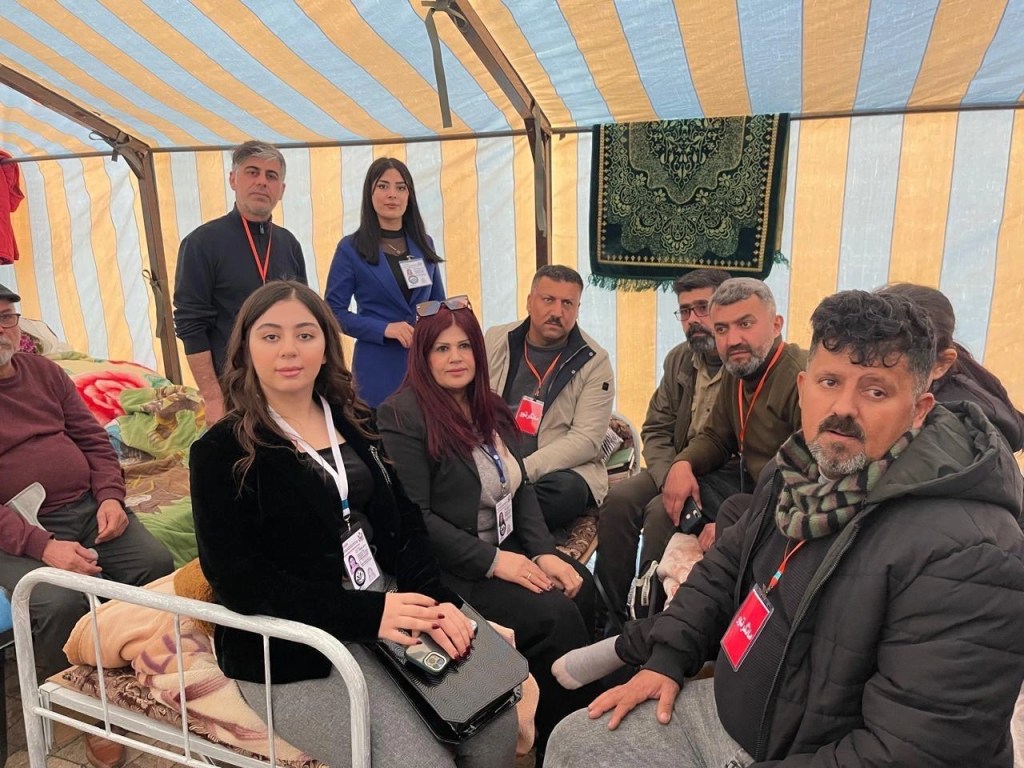
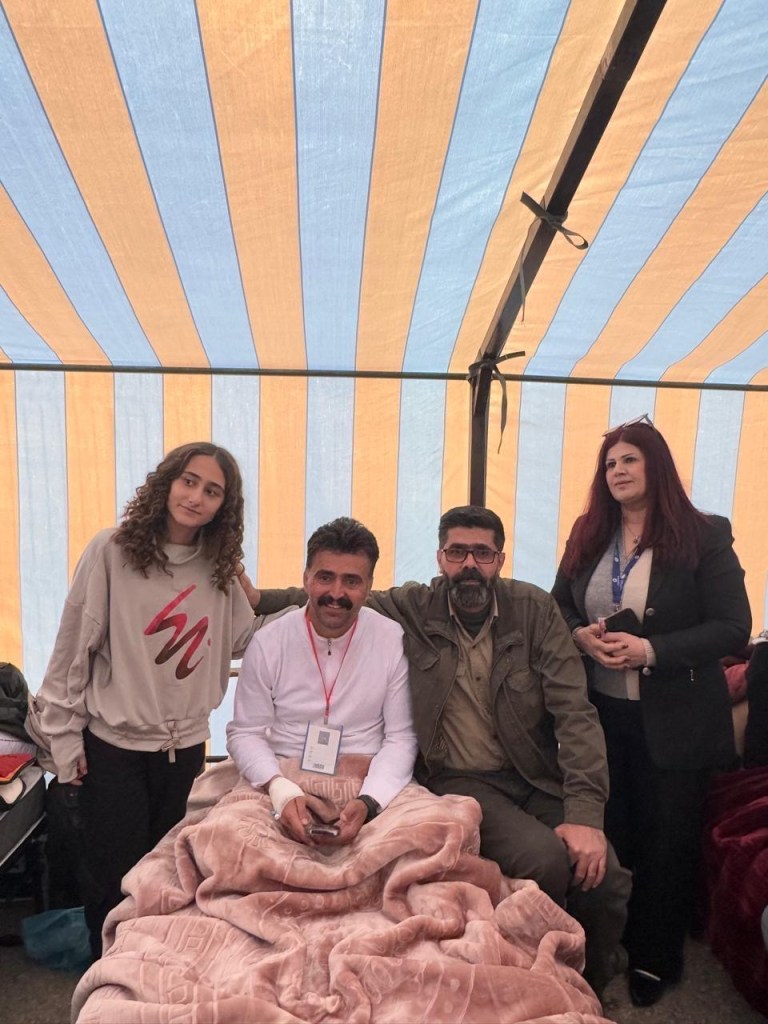
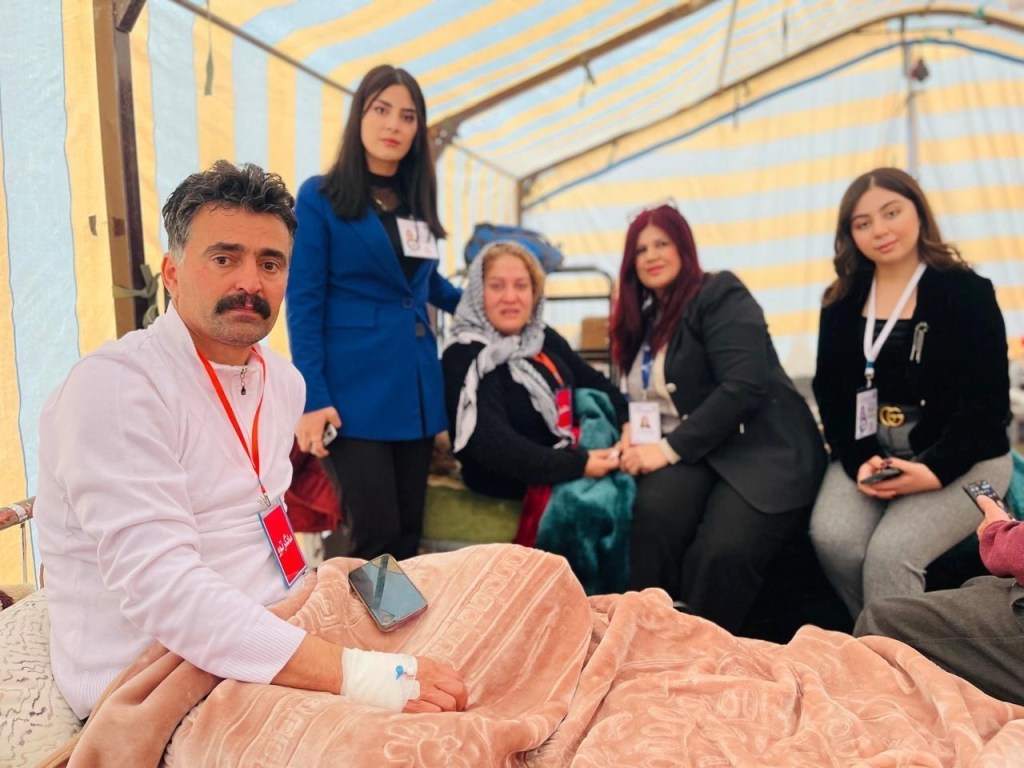
The salary delay crisis in the Kurdistan Region is no longer just an economic issue; it has become a political tool used to pressure various sectors, particularly teachers and public employees, amid ongoing administrative corruption and poor wealth distribution. However, the real problem goes beyond salary withholding—it extends to the suppression of independent media and restrictions on freedoms. Party-affiliated and state-controlled media dominate the public discourse, while any dissenting voices are marginalized.
1. Media as a Tool for Political Domination
Political parties in Kurdistan use their media outlets as tools to manipulate public opinion and cover up real issues, while silencing opposition voices and suppressing independent journalists who attempt to expose the truth. At a time when citizens are suffering from delayed salaries and economic hardships, party-controlled media focuses on political propaganda rather than highlighting the people’s struggles.
2. The Salary Delay Crisis: A Continuous Struggle for All Sectors
The delay in salary payments is not just a problem for teachers; it affects all public sector employees, including workers, government staff, academics, doctors, and ordinary citizens who rely on these salaries for their daily survival. Despite this, the situation is used as a pressure tactic to silence protests and demands for reform.
3. Double Standards in Dealing with Party Officials
While protesters’ voices are suppressed, party officials are widely welcomed in state-affiliated media and treated with respect, while independent voices calling for real reform are ignored. This double standard reinforces corruption and widens the gap between the ruling elite and the people.
4. The Importance of Awareness and Public Boycott
This crisis cannot be resolved without collective awareness that rejects party-controlled media dominance and boycotts any media outlet that fails to present the truth. Citizens must realize that the solution is not just in waiting for salaries but in demanding their full rights—whether through peaceful protests or by refusing to engage with partisan media, which only seeks to protect the interests of the ruling elite.
Conclusion
The crisis in the Kurdistan Region is not merely a financial issue but a reflection of deeper political and structural flaws in resource and governance management. The solution does not lie in remaining silent or waiting for solutions from the ruling class but in a public movement that recognizes the extent of the manipulation taking place and works towards establishing a new reality based on justice, equality, and transparency.