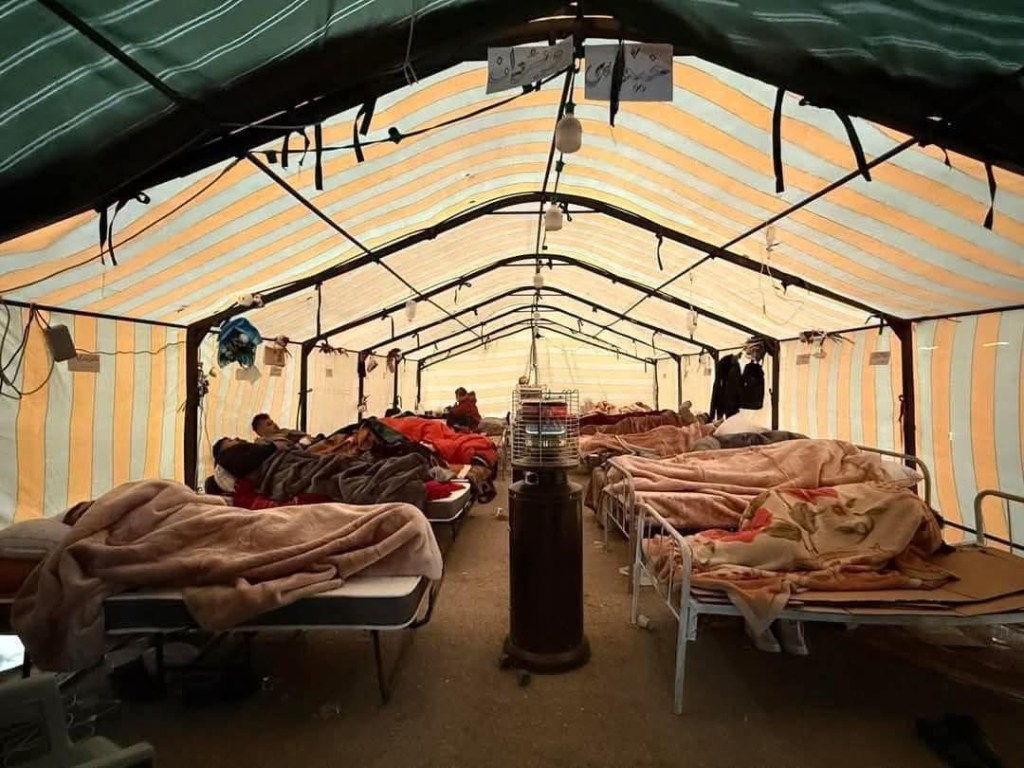
Political corruption is one of the biggest challenges Iraq has faced for decades. Favoritism, bribery, and mismanagement have infiltrated all sectors of the state, leading to widespread economic and social crises. The Kurdistan Region is not immune to these issues, as the Kurdish people suffer from worsening crises due to corruption and poor governance. In addition, the repeated salary cuts have further exacerbated the suffering of the citizens.
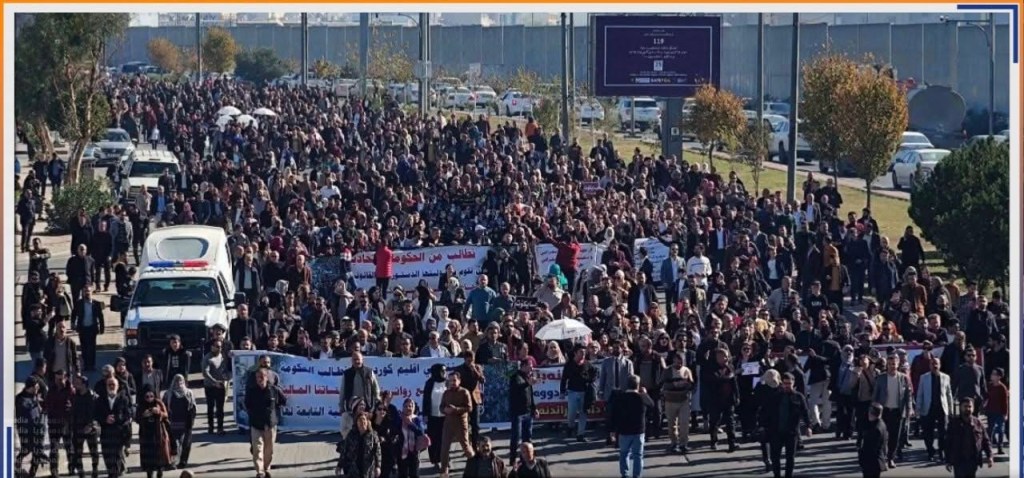
Political Corruption in Iraq
Since the fall of the former regime in 2003, Iraq has been caught in a cycle of corruption that has drained its resources and hindered its development. Dominant political parties have exploited the state to serve their personal interests, plundering public budgets through questionable contracts and appointments based on political loyalty rather than competence. This corruption has led to the collapse of infrastructure, the deterioration of public services, and rising poverty and unemployment rates.
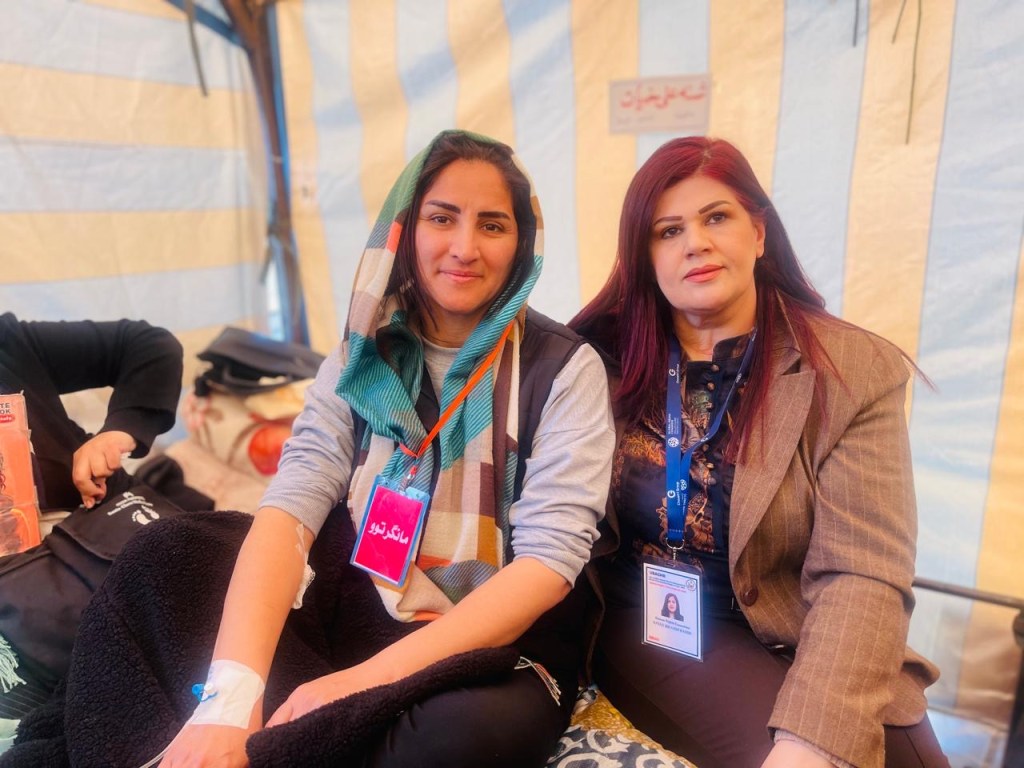
The Kurdistan Region and the Oppression of the People
Despite the Kurdistan Region’s autonomy and vast oil resources, rampant political corruption in its government has led to the mismanagement of wealth, negatively impacting citizens’ lives. Some of the most pressing issues faced by the Kurdish people include:
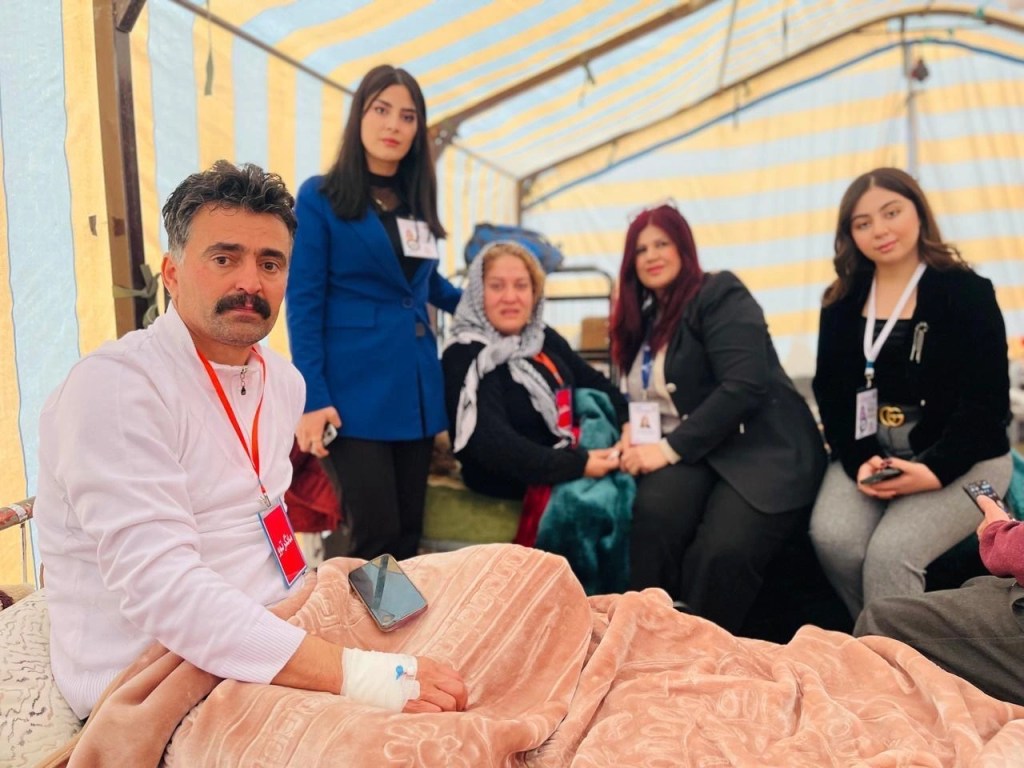
1. Salary Cuts and Delays
• Government employees in the region suffer from persistent delays in salary payments, with portions sometimes deducted, despite the government receiving a share of the federal budget and oil revenues.
• This unjust practice has increased poverty among Kurdish families and affected their living standards.
2. Lack of Transparency in Oil Revenues
• Oil revenues go to unknown entities, and the public has no information on how these funds are managed or where they are spent, raising concerns about corruption in the region’s administration.
3. Political Repression and Silencing Dissent
• Opposition voices in the region face harassment and arrests, with efforts to silence anyone exposing corruption or demanding citizens’ rights.
4. Absence of Social Justice
• Enhancing Transparency and Accountability: Strict oversight must be imposed on oil revenues and government spending in Iraq and the Kurdistan Region, ensuring financial information is made public.
• With political families controlling the region’s wealth, job opportunities and privileges are reserved for party loyalists, while ordinary citizens suffer from marginalization.
What Is the Solution?
• Establishing an Independent Judiciary: Corruption cannot be fought without a strong, independent judiciary capable of holding corrupt officials accountable, regardless of their political standing.
• Supporting Freedom of Expression: Journalists and activists must be allowed to expose corruption without fear of repression or arrest.
• Ensuring Citizens’ Rights: The governments in Baghdad and Erbil must guarantee timely salary payments and promote social justice.
Both the Iraqi and Kurdish people deserve a dignified life, but this will not be achieved as long as successive governments prioritize their own interests over the public good. A true popular movement is necessary to enforce change and achieve justice.