
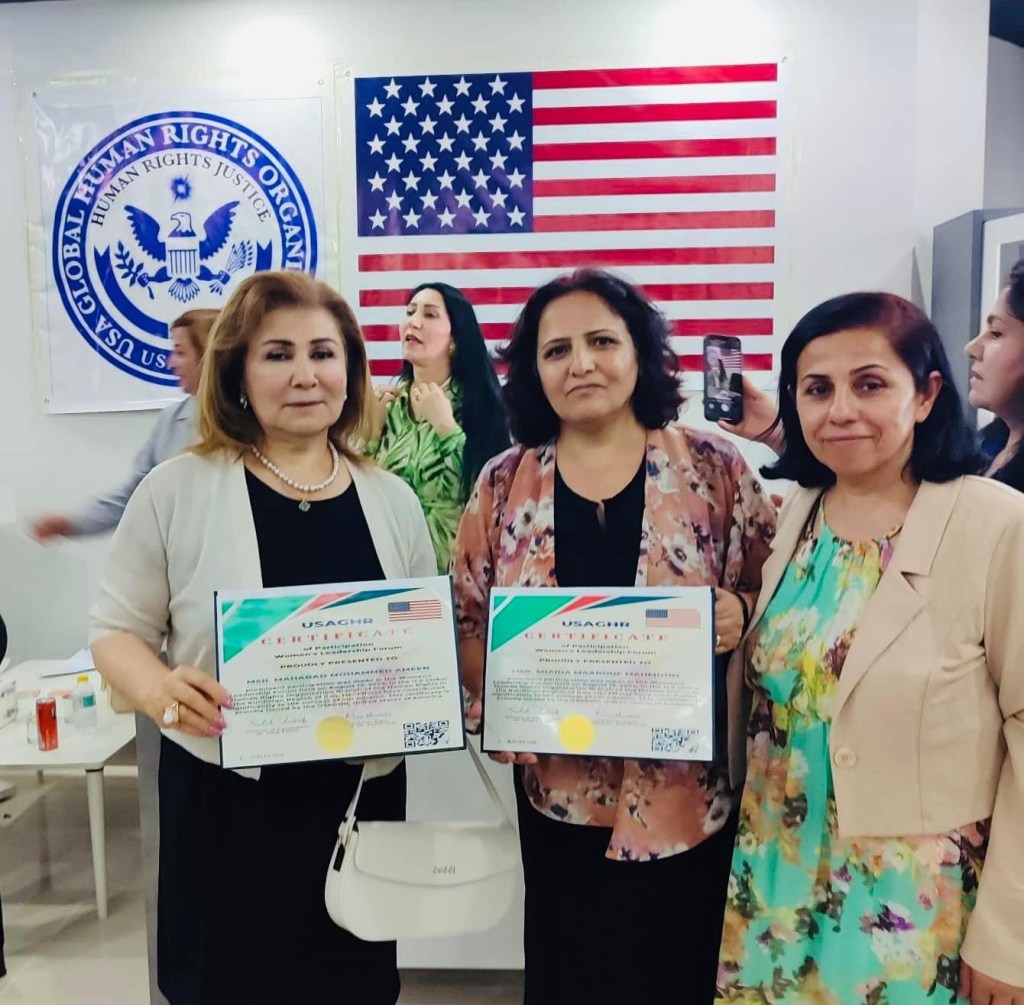
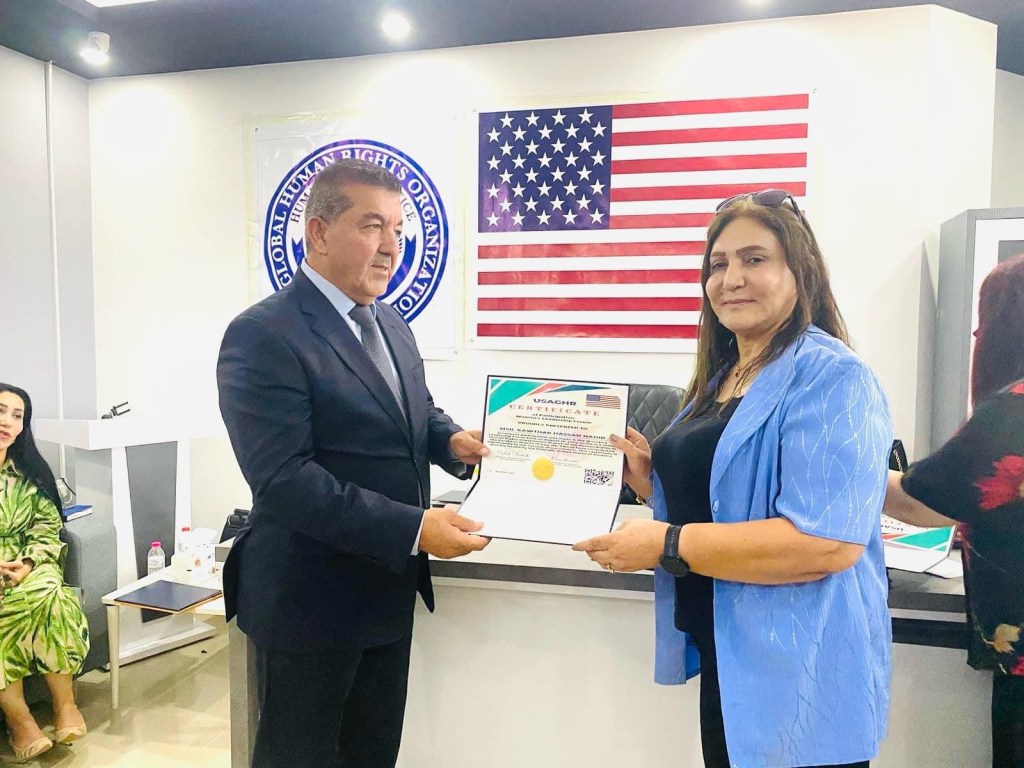
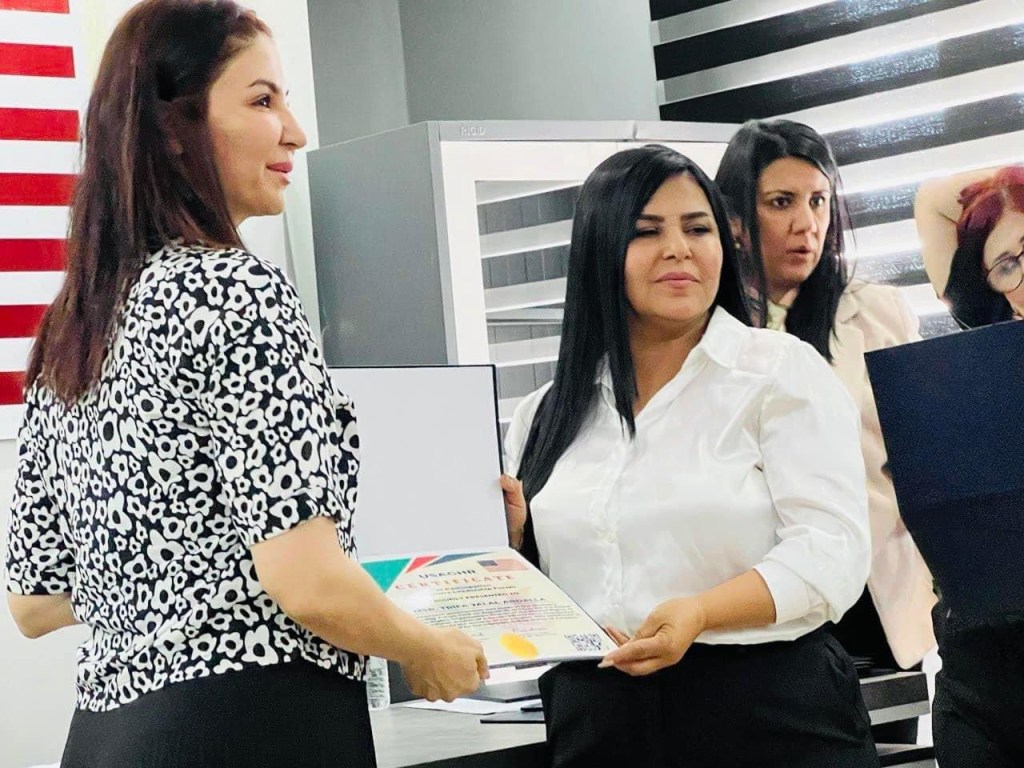
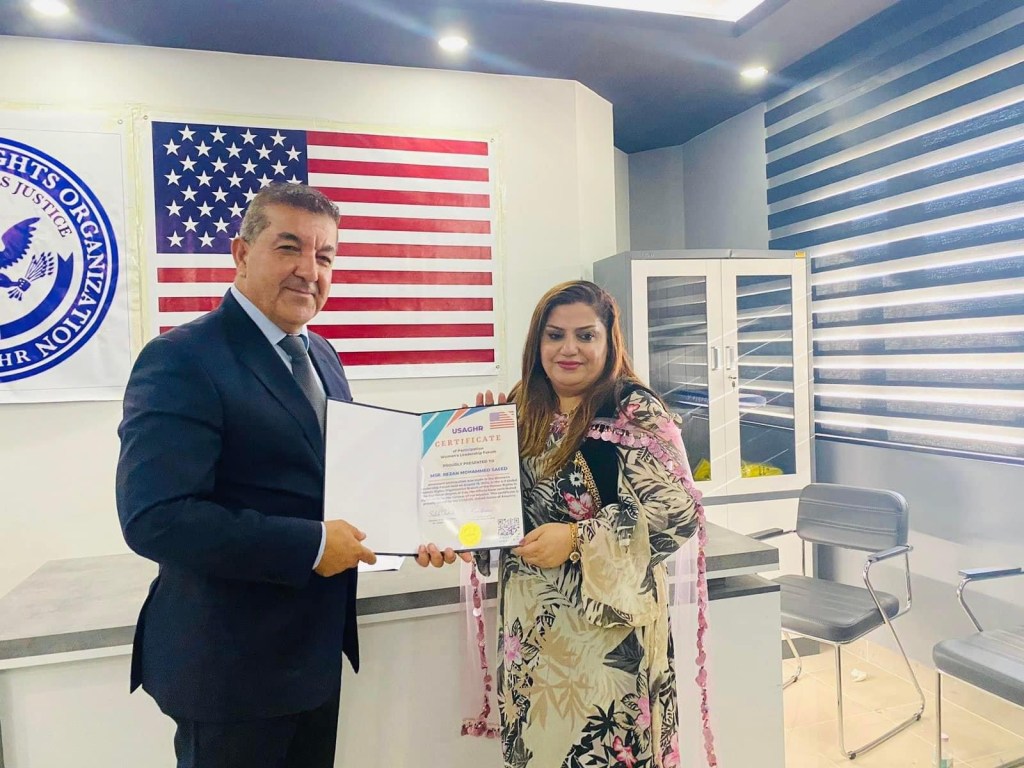
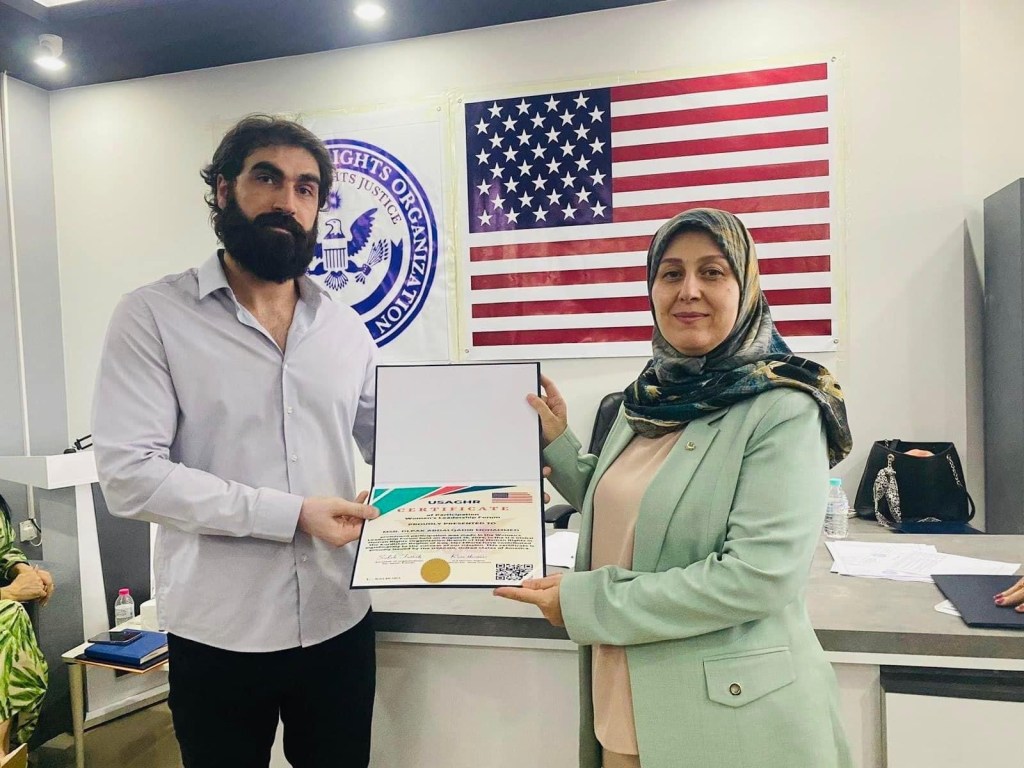
Members of the USA Global Human Rights Organization
Overview:
Members of the human rights organization are individuals dedicated to advocating for and protecting the fundamental rights and freedoms of people worldwide. These members come from diverse backgrounds and bring a wealth of experience and perspectives to the organization.
Their collective efforts are essential in advancing the mission of upholding human dignity and justice.
Roles and Responsibilities:
- Advocacy: Members actively engage in advocacy efforts, raising awareness about human rights issues and influencing policy changes at local, national, and international levels. They use various platforms, including social media, public speaking, and written publications, to disseminate information and mobilize support.
- Research and Documentation: Conducting thorough research and documenting human rights abuses are critical tasks for members.
- This involves gathering evidence, interviewing victims and witnesses, and producing detailed reports that highlight violations and recommend corrective actions.
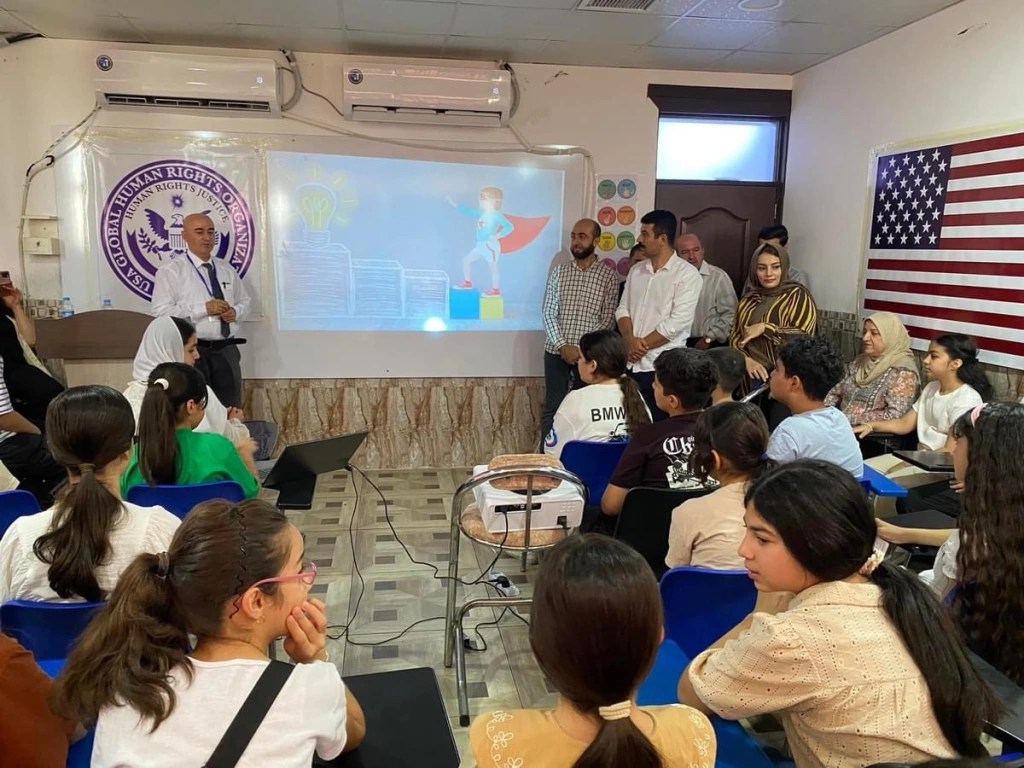
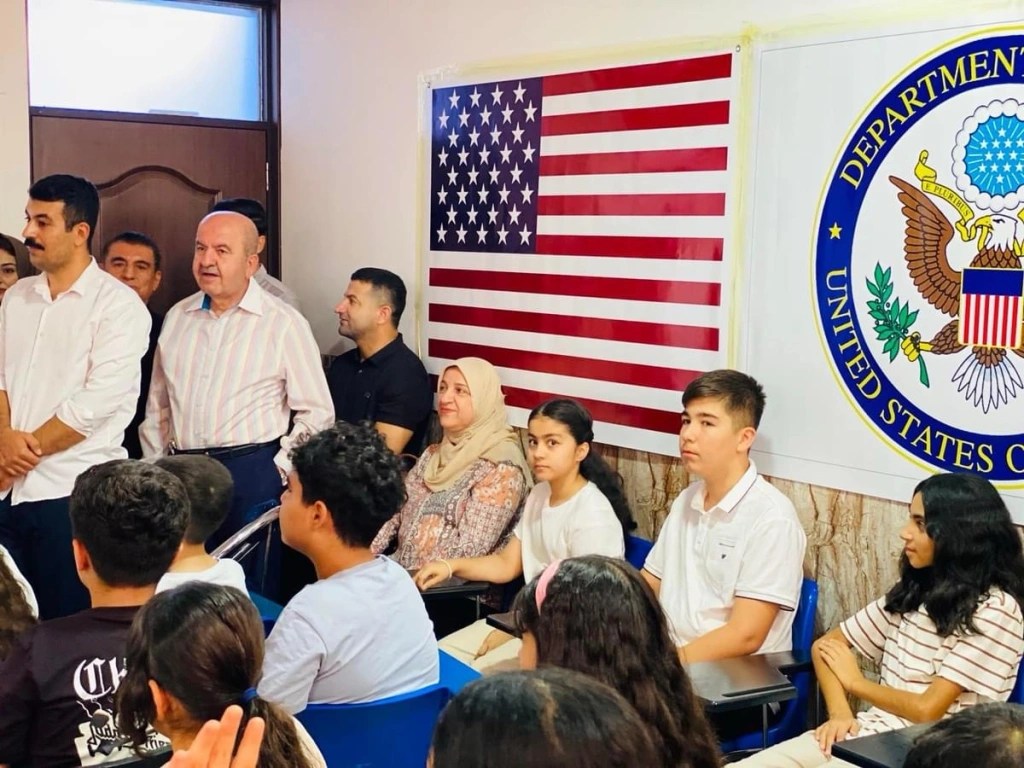
- Education and Training: Members often lead educational initiatives to inform the public about their rights and how to protect them. They conduct workshops, seminars, and training sessions for communities, students, and professionals to foster a culture of human rights awareness.
- Legal Support: Providing legal assistance to victims of human rights violations is a key function of the organization. Members with legal expertise offer counsel, represent clients in court, and work to ensure justice is served for those affected by injustices.
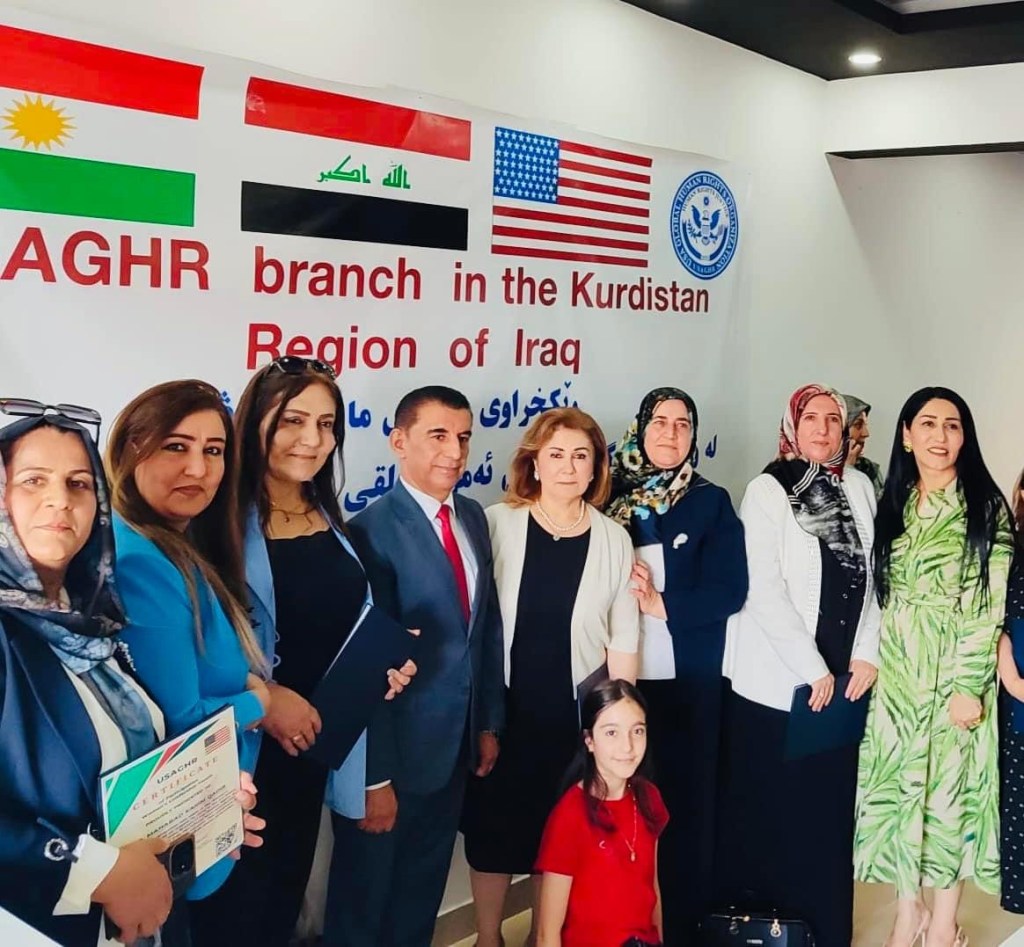
- Community Outreach: Engaging with local communities is vital for the organization’s grassroots efforts. Members collaborate with community leaders, activists, and other stakeholders to address specific human rights concerns and develop tailored solutions.
- Monitoring and Reporting: Keeping track of human rights conditions globally is an ongoing responsibility. Members monitor developments, track progress on implemented measures, and report on both improvements and continuing challenges.
Characteristics of Members:
- Passion and Commitment: Members are deeply passionate about human rights and exhibit a strong commitment to the organization’s mission. Their dedication drives their persistent efforts to create positive change.
- Empathy and Compassion: Understanding and empathizing with victims of human rights abuses are essential qualities. Members show compassion and offer support to those in need, often working in challenging and emotional environments.
- Resilience and Perseverance: Human rights work can be demanding and, at times, dangerous. Members demonstrate resilience and perseverance, continuing their efforts despite obstacles and risks.
- Collaboration and Teamwork: Effective human rights advocacy requires collaboration. Members work together, leveraging each other’s strengths and expertise to achieve common goals.
- Integrity and Ethical Conduct: Upholding high standards of integrity and ethical behavior is paramount. Members conduct their work with honesty, transparency, and respect for the dignity of all individuals.
Impact and Achievements:
Members of the human rights organization have achieved significant milestones, including:
- Successfully lobbying for legislative changes that protect vulnerable populations.
- Bringing international attention to human rights abuses and holding perpetrators accountable.
- Providing critical support and resources to victims of human rights violations.
- Educating and empowering communities to advocate for their rights and seek justice.
Future Directions:
As human rights challenges evolve, members of the organization are committed to adapting and expanding their efforts. Future directions include:
- Technological Integration: Utilizing technology to enhance advocacy, data collection, and outreach efforts. This includes developing digital platforms and tools to connect with a broader audience.
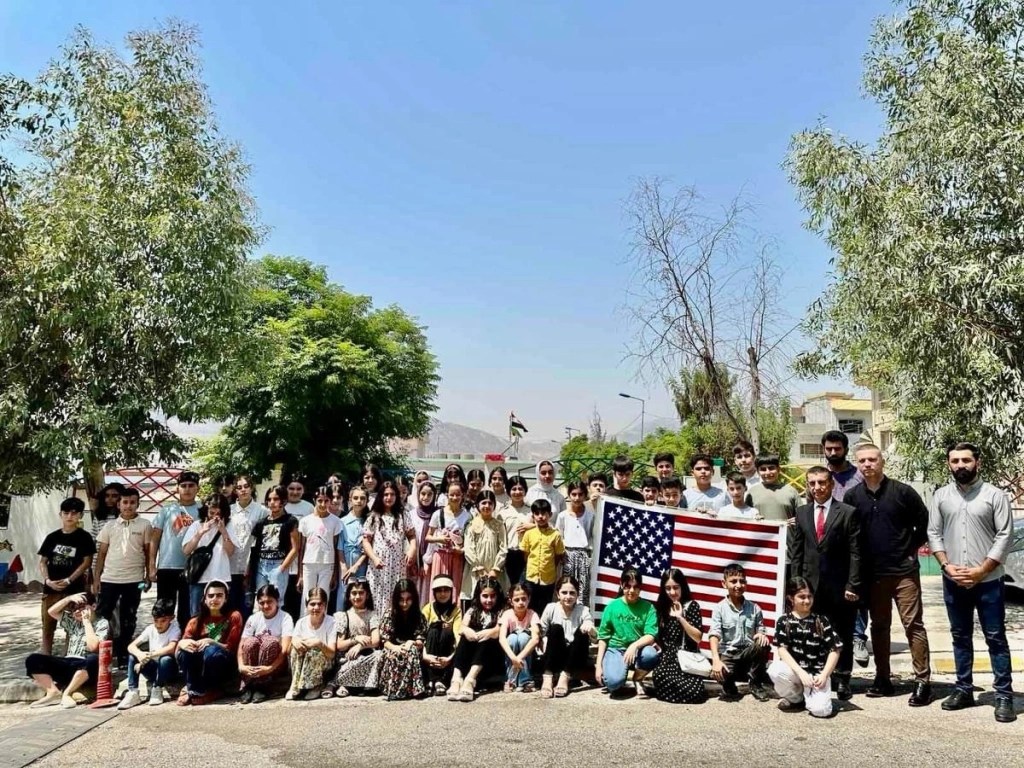
- Youth Engagement: Encouraging youth participation in human rights activities to foster a new generation of advocates who are passionate about justice and equality.
- Global Collaboration: Strengthening partnerships with international human rights organizations to address transnational issues and share best practices.
- Innovative Solutions: Developing innovative approaches to address emerging human rights challenges, such as those related to climate change, digital privacy, and migration.
Conclusion:
Members of the human rights organization play a vital role in promoting and protecting human rights globally.
Their unwavering dedication, diverse expertise, and collaborative spirit drive the organization’s efforts to create a more just and equitable world for all.
Read more: http://usahumanrights.org






 U.S. GHR